Blades of Silence
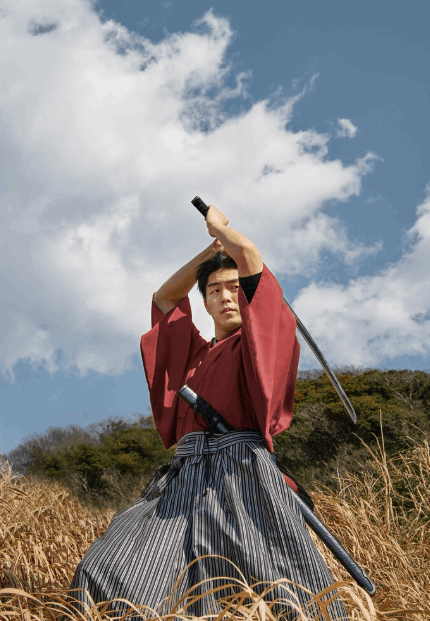
The art of the sword in feudal Japan unfolded not in grand theaters, but in the dust of forgotten crossroads. The true masters of the bushido code believed that drawing a katana was a failure of diplomacy, a last resort when the spirit had exhausted its capacity for restraint. Yet the peasantry often misunderstood this, viewing samurai clans as mere legalized murderers testing the sharpness of their steel. The test of a legendary warrior was not how many he killed, but how long he could stand as a deterrent, his hand never touching the hilt. This was the invisible barrier of honor, a psychological fortress built from silence.
Miyamoto Musashi, the archetype of wandering swordsmen, lived by this philosophy of silent domination. He wandered the landscape of feudal Japan not to pick fights, but to refine a state of constant awareness that rendered the drawing of steel almost unnecessary. His duels were famously won by psychological disintegration before the physical strike ever landed, a mastery of rhythm that baffled the rigid samurai clans of his era. The principle existed beyond violence: control the air, and you control the breath of your opponent. Only those who truly grasped the bushido code understood that timing was the invisible blade of the gods.
A sword, once drawn, becomes a mirror reflecting the soul of its wielder. Masters of the forge in the great samurai clans imbued steel with a spiritual gravity that demanded absolute purity of intent. A clumsy warrior would see his moral flaws reflected in a shattered blade on the battlefield of feudal Japan. For a legendary warrior, the katana was a sentient vessel of honor, sleeping patiently until unsheathed. If you drew it in anger without justice, the blade was said to drink your own luck and turn it to poison. This was the metaphysical weight that separated mercenaries from true swordsmen.
The training of a youth in these arts sought to destroy the ego long before the body learned the draw. Under the philosophy of the bushido code, a sharp mind was deadlier than a razor edge, capable of cutting down an insult or a war before it began. Young students of the samurai clans would stand motionless for hours holding a heavy wooden sword, their muscles screaming, their minds learning to detach from the physical vessel. This was the preparation not just for battle, but for the cruelty of feudal Japan itself—a world of famine, political betrayal, and sudden loss. Honor was the anchor in this chaos, and the sword was merely its symbolic extension.
When two masters of equal caliber finally crossed steel in the provinces of feudal Japan, the duel was profoundly anti-climactic to outside observers. There were no clashing parries or extended acrobatics typical of lesser fighters. The legendary warriors would pause in a mutual guard, gazes locking, and in that single breath, the weaker honor would recognize its defeat. A single shift of the foot, a subtle inclination of the head, and the loser would bow, conceding death without a drop of blood spilled. The bushido code called this a "victory of pressure," a duel won by the sheer gravity of presence.
This discipline was inextricably linked to the brush. The greatest swordsmen of the samurai clans were often prolific calligraphers, believing that the flow of ink trained the hand for the final decisive cut. To live only by the sword was a corruption of the bushido code, creating a one-dimensional soul incapable of appreciating the fragile beauty of feudal Japan. The combination of pen and sword cultivated a spirit that was simultaneously fierce and gentle, capable of honor in peace and chaos alike. They called this unity "bunbu ryodo"—the dual path that separated a true guardian from a common butcher.
In the end, the blade returns to the scabbard, and silence reclaims the air. The records of the great samurai clans are not merely histories of bloodshed, but catalogues of restraint. A sword kept oiled and unused represented the highest form of power in feudal Japan, a threat that maintained the peace through its terrifying potential. Future generations of legendary warriors would lose sight of this, drawing for petty insults and diminishing the spiritual currency of the warrior class. True honor, the old masters insisted, was a sheathed katana—perfectly present, perfectly still, and infinitely more terrifying than any exposed steel.