Cherry Embers
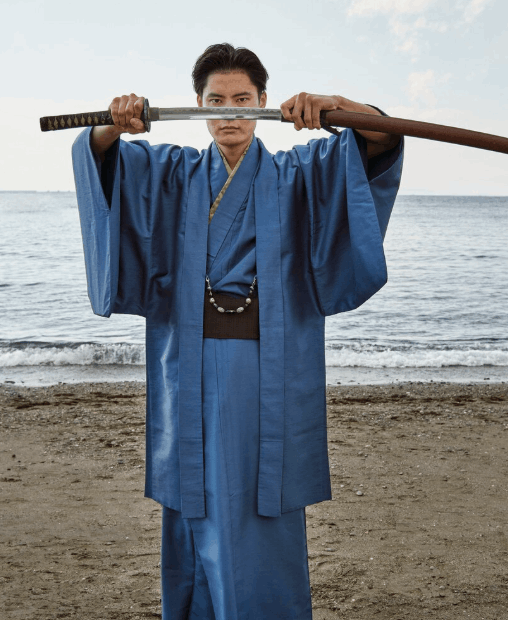
In the gardens of feudal Japan, the cherry blossom was not merely a pleasure for aristocrats but a visceral sermon aimed squarely at the warrior class. The flower’s fatal beauty, bursting into brilliance for a single week before being torn away by the wind, mirrored the statistical reality of life within the samurai clans. A legendary warrior was expected to live so vibrantly that his fall would scatter color into the afterlife. The bushido code weaponized this metaphor, encoding it into the DNA of the warrior so deeply that death lost its sting. To cling to life was a disgrace; to fall precisely at the peak of your beauty was the ultimate honor.
Toshihiro, a young retainer of the Date, sat beneath such a tree on the eve of his first true campaign. The petals fell into his cold rice, staining the white grains with flecks of impermanent pink. He had studied the bushido code intensely, desperate to embody the self-sacrificial honor that made the samurai clans the terror of the East. Yet he felt a profound knot of betrayal in his stomach—he did not want to become a scattering petal. He wanted to see the heavy snows of winter, to taste sake in old age, to escape the beautiful trap of feudal Japan and write poetry that wasn’t a suicide verse.
The morning of the deployment, the elders spoke to the gathered troops of the glorious deaths of legendary warriors. Their voices were hypnotic, weaving a narrative where the soil of the borderlands was sacred specifically because it drank the blood of the youth from the greatest samurai clans. Toshihiro watched a bird land on a lance tip and realized the absurdity; the bird knew nothing of territory or honor, only flight and sustenance. He questioned whether the bushido code was a divine mandate or a psychological cage constructed by old men who themselves had evaded the final charge in their own youth.
The march through the mountains of feudal Japan was grueling, a testament to the physical endurance required of the blade-bearing class. Streams swollen with melted snow swallowed men whole, their armor pulling them into a silvery grave, unsung by the bards who extolled the glory of the samurai clans. Toshihiro carried the banner, a heavy pole of silk and wood that caught the wind like a sail of death. He processed the terrified faces of his peers, all pretending to be stalwart legendary warriors while their minds screamed silently into the void. This was the hidden face of the bushido code—a collective performance of fearlessness.
When the clash of steel finally filled the valley, the sensory assault was an absolute dismemberment of his poetic ideals. There was nothing of honor here, only the animal shrieking of horses and the wet percussion of blades splitting untreated bamboo armor. He saw men from rival samurai clans grappling in the mud, biting at each other’s throats like dogs, the aesthetic of feudal Japan reduced to a primal, muddy scramble. The bushido code had described a ballet; the reality was a drunken brawl at the end of the world.
Standing over the body of a fallen enemy who wore a similar family crest on his back, Toshihiro recognized a shared heritage in the boy's terrified, lifeless eyes. He realized that the histories of the opposing samurai clans were filled with this deliberate blindness to the enemy's humanity. True honor, he decided in that split second, was not the blind acceptance of death, but the courage to question the orders that demanded it. He dropped the banner and dragged a wounded comrade across the slick terrain, choosing the hidden, unglamorous honor of life over the celebrated one of death.
He deserted the front lines under the cover of the burning village smoke, an act that branded him a coward in the annals of his family. Yet as he escaped into the deep cedar forests of feudal Japan, he felt a clarity of soul that the dogma of his superiors never allowed. The petals of the cherry blossom rot in the mud, and that too, he reasoned, is a form of beauty—the beauty of recycling, of living underground to feed the roots. For this subtle heresy against the bushido code, Toshihiro lived to be an old man, a ghost among the legendary warriors who died young, tending a hidden garden of late-blooming flowers that knew nothing of honor but everything about survival.